
Easy Ways to Make Traveling Cheaper
March 8th, 2026

Travel is often seen as a luxury, but it doesn’t have to drain your bank account. Over the years, I’ve learned that saving money while traveling usually comes down to a handful of simple decisions made before and during your trip. A few small adjustments to how you plan can stretch your budget dramatically and allow you to travel longer, visit more places, and stress less about spending. Travel doesn't have to be for the rich! If you have the ability to hold a U.S. passport, you are already more than halfway there.
After years of traveling around the world on a budget, here are some of my biggest tips when it comes to easy ways to make travel cheaper:
1. Pick Your Destination Based on Flight Prices
Most people pick a destination first, then take PTO, then start looking at flights. It should be the complete opposite. Instead, research flights, pick your destination with flight deals for your dates, then request PTO.
Flights are often the most expensive part of a trip. If you lock in your destination first, you’re essentially limiting yourself to whatever prices are available. But if you reverse the process and start by searching for cheap flights, you might discover incredible deals to places you hadn’t considered.
Tools like Google Flights, Skyscanner, or airline deal alerts can help you see which destinations are cheapest from your home airport. Sometimes a spontaneous decision based on a great fare can lead to one of your most memorable trips.

2. Take Advantage of Free Activities
One of the biggest misconceptions about travel is that every experience costs money. In reality, many of the best travel memories come from completely free activities.
Free city walking tours are offered in many major destinations around the world and are a great way to learn about the history and culture of a place while meeting other travelers. These tours typically operate on a tip-based model, allowing you to pay what you feel the experience was worth.
Nature also offers endless free adventures. Hiking trails, public beaches, city parks, scenic viewpoints, and historic neighborhoods can fill your itinerary without costing anything.
3. Travel to Cheap Destinations
Where you travel can have a huge impact on your overall budget. Some destinations are simply more expensive than others.
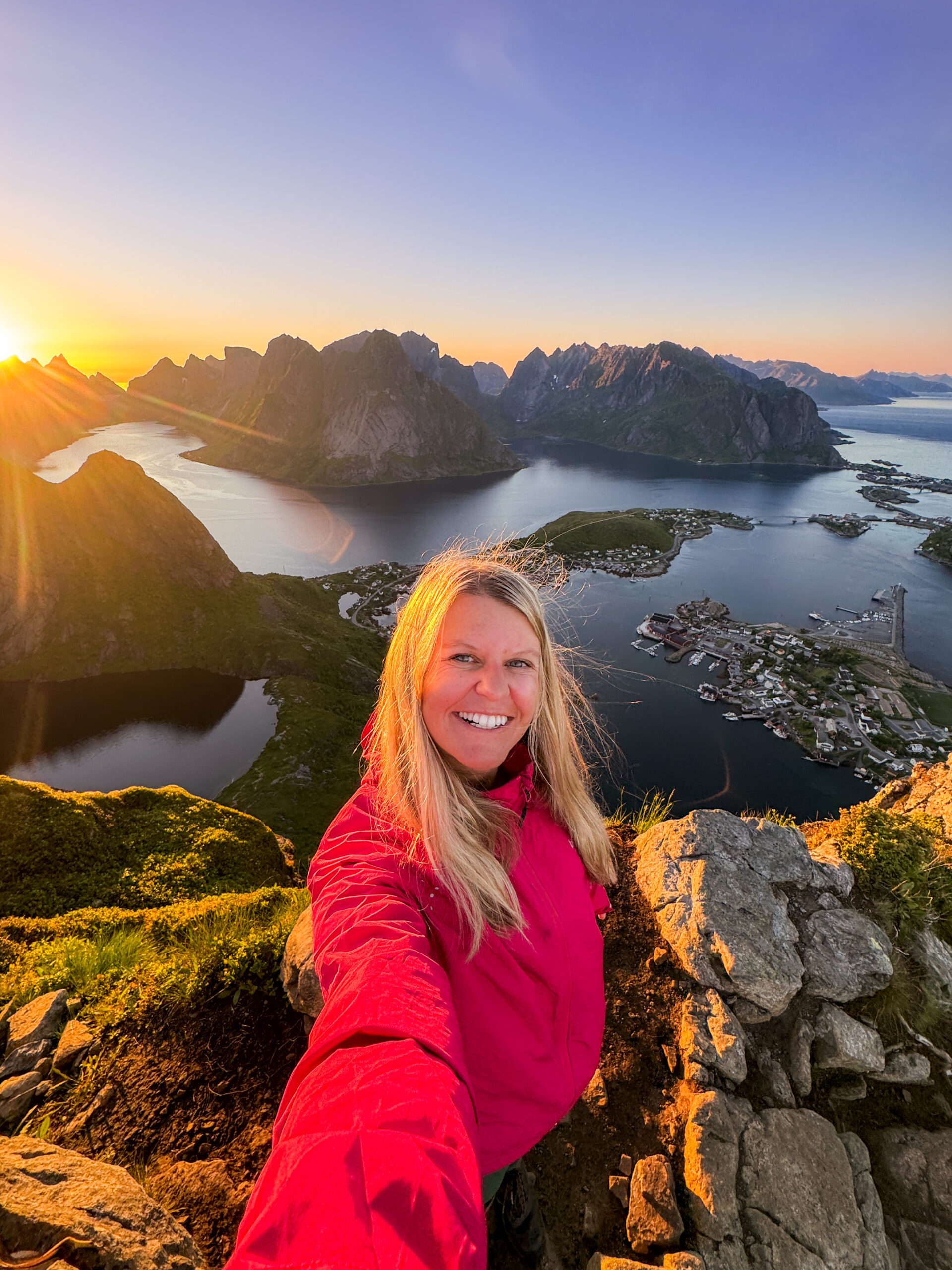
Countries like Japan, Norway, and Australia, will nearly double your budget over destinations like Indonesia, Thailand, and India.
That doesn’t mean expensive countries aren’t worth visiting, but if your goal is to travel longer or stretch your savings further, choosing more affordable destinations can make a massive difference. In many parts of Southeast Asia, Eastern Europe, or Central America, you can find comfortable accommodation, delicious food, and exciting activities at a fraction of the cost you’d pay in more expensive regions.

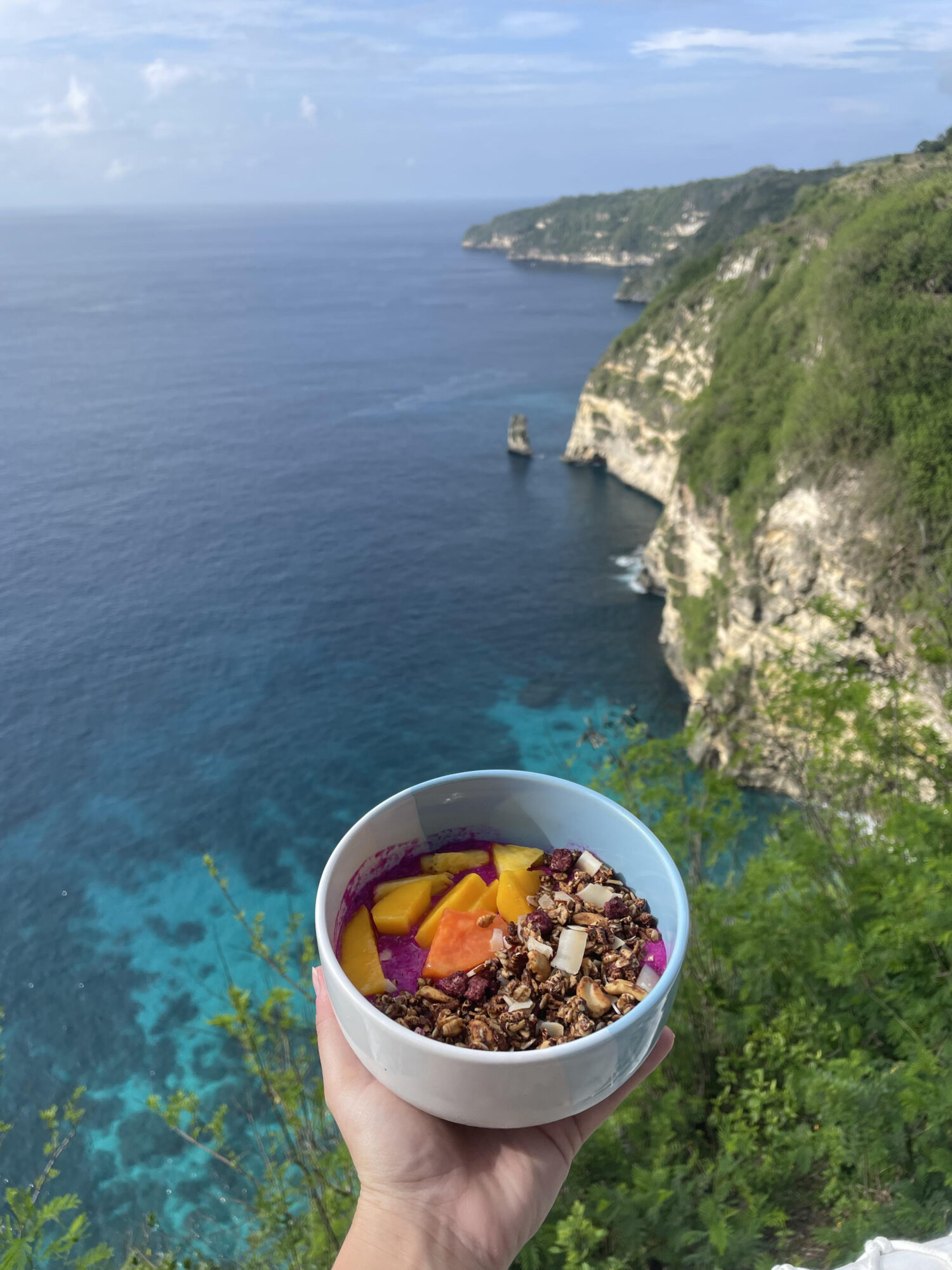
Villa in Bali for $180/night
4. Have Flexible Travel Dates, and Book the Cheapest Option
A one-day difference in flights can save hundreds of dollars. Before putting in your PTO, check flight prices and adjust as needed if there are big fare differences around your dates.
Flexibility is one of the most powerful money-saving tools a traveler can have. Airlines price flights based on demand, and small shifts in travel dates can create huge differences in cost.
For example, flying on a Tuesday or Wednesday is often significantly cheaper than traveling on weekends. Even adjusting your trip by a single day can reduce your airfare dramatically.
If you have the flexibility to move your dates slightly, always check multiple options before booking.

5. Don’t Exchange Money at The Airport
The best exchange rates come from ATMs in the city, which you can typically use with any U.S. debit card that has a 4-digit pin. If it asks if you want to the ATM do the conversion rate, hit “no.” Your bank will give you the best conversion rate, and help you money go further.
Airport exchange counters are notorious for poor conversion rates and extra fees. While it may seem convenient to exchange money as soon as you land, it’s rarely the most economical option.
Instead, withdraw local currency from an ATM once you arrive in the city. Banks typically provide much better exchange rates than airport kiosks, helping your money go further during your trip.

6. Travel in The Shoulder Season
The shoulder season is the period between a destination’s peak tourist season and its off-season. Traveling during this time often means lower prices, fewer crowds, and still-great weather.
For example, visiting Europe in May or September instead of July or August can significantly reduce the cost of flights and accommodations. Hotels, tours, and attractions are often cheaper, and you’ll enjoy a much more relaxed travel experience without the peak-season crowds.
It’s one of the easiest ways to save money without sacrificing the quality of your trip.

Maldives in the rainy season for 50% off
7. Raid Local Grocery Stores for Some Meals
Eating out for every meal can quickly add up while traveling, especially in major cities or tourist destinations.
A simple way to reduce food expenses is to mix in a few meals from local grocery stores. Fresh fruit, sandwiches, pastries, salads, and local snacks can make for affordable breakfasts or lunches while also giving you a glimpse into local food culture.
Picnicking in a park or grabbing something simple before a long day of sightseeing can save money while still keeping your travel experience authentic.
8. Use Public Transport
Transportation costs can quietly eat away at your travel budget if you rely too heavily on taxis or rideshare apps.
Most major cities around the world have excellent public transportation systems that are affordable, efficient, and easy to use. Subways, buses, and trains often connect major attractions and neighborhoods at a fraction of the cost of private transportation.
Using public transit also gives you a more local perspective on the city you’re visiting.

9. Avoid Touristy Areas & Restaurants
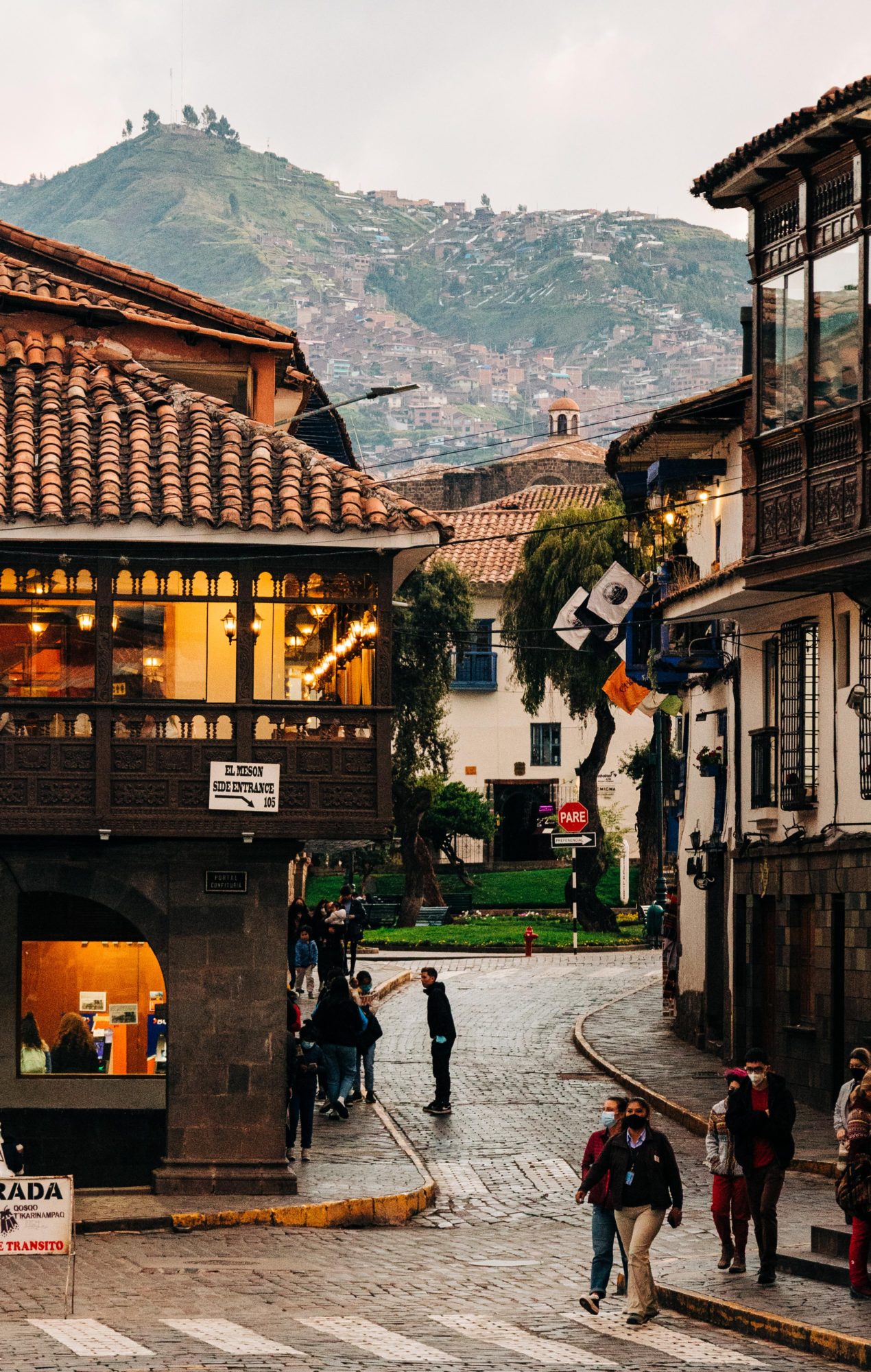
Tourist-heavy neighborhoods often come with tourist-heavy prices. Restaurants located directly next to major attractions frequently charge significantly more than those located just a few streets away.
By walking a few blocks away from the busiest areas, you can often find restaurants with better food, lower prices, and a more authentic local atmosphere.
These hidden spots are often where locals eat, and they frequently end up being some of the most memorable dining experiences of a trip.
10. Start Travel Hacking with Credit Cards & Airline Miles
This has been my biggest key to saving money while traveling. In fact, my husband and I just finished traveling around the world and saved $10,000+ dollars each by booking all major flights with our United Airlines miles, which we saved up over 4 years.
Travel credit cards and airline loyalty programs can dramatically reduce the cost of flights if used strategically. By earning points through everyday spending and welcome bonuses, travelers can accumulate enough miles to book international flights for a fraction of the normal cost.
Over time, these rewards can add up quickly and unlock travel opportunities that might otherwise feel out of reach.
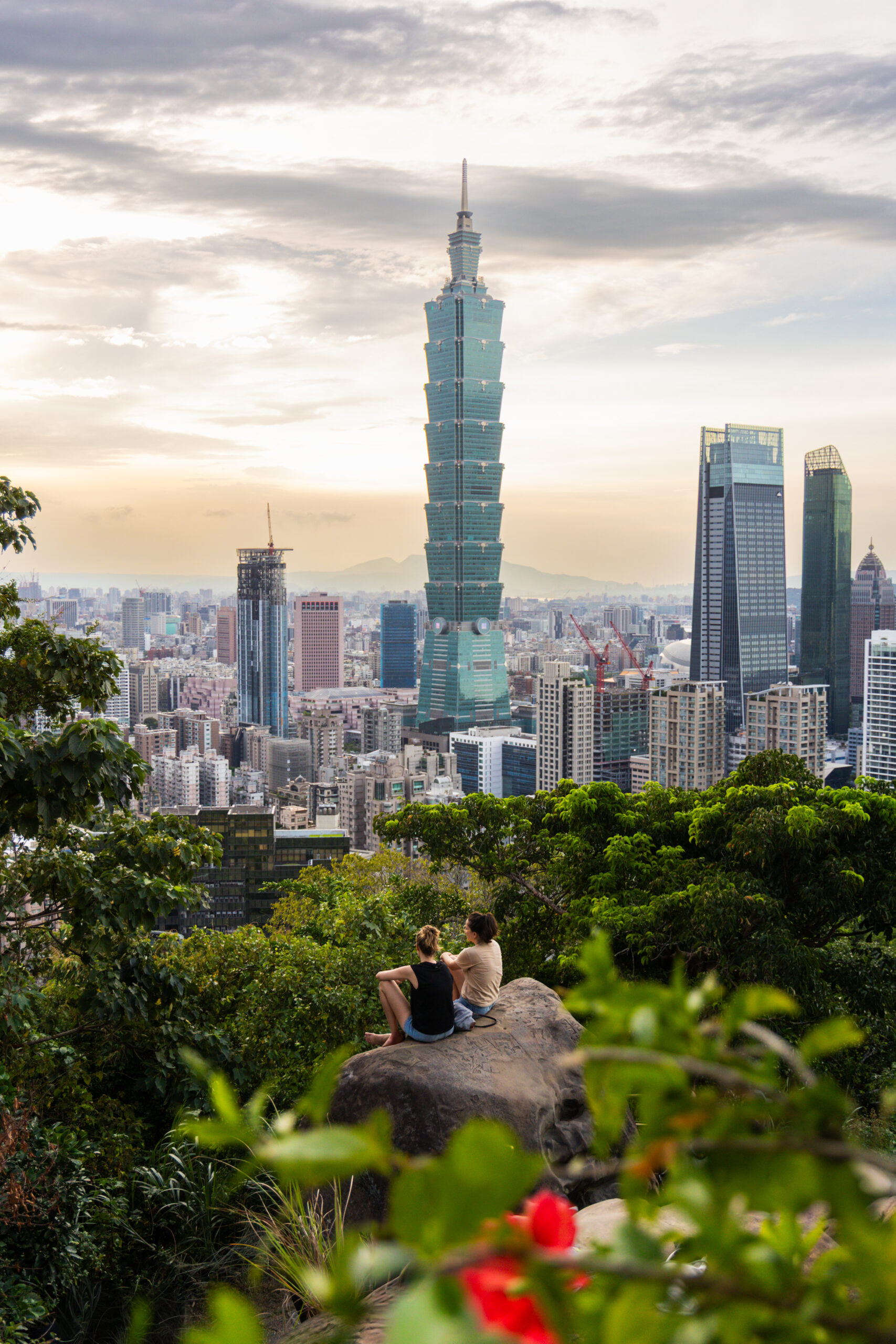
Travel doesn’t have to be expensive to be incredible. With a little planning, flexibility, and a few smart strategies, you can stretch your travel budget much further than you might expect. Whether you’re planning your first international trip or your tenth, these simple money-saving habits can help you see more of the world without spending a fortune.

At any given moment, Shalee is either lost, hunting for ice cream, or obsessively planning her next adventure.
Born and raised in rural Michigan, she began exploring the shores of Great Lakes as a teen, often sleeping in her car to save money. Eventually, her urge to explore pushed beyond her Midwest borders. Today, Shalee shares her tips and stories to thousands of readers interested in adventure and outdoor tourism. Her pack now includes two spunky hiking cats and her partner, Josh. Learn more about her here.
Join the Adventure